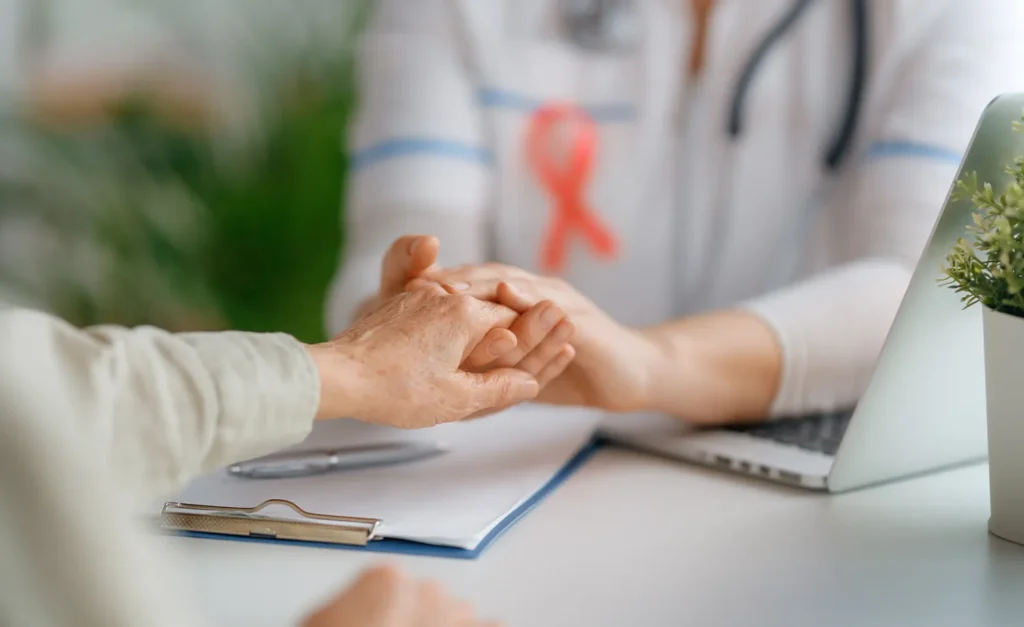


If you are concerned about your breast cancer risk, especially because of a family history, that concern is understandable and it can be a helpful first step towards taking care of your health.
Breast cancer is most commonly diagnosed in women who are within the age range of routine screening programmes. However, it can also occur earlier in life. In Europe, around one in four cases are diagnosed in women under 50 , meaning that some women are affected before they are ever invited to screening programmes. Breast cancer in men is rare, representing about 1% of all cases.
These figures do not mean that risk is high for most people. The important message is that most people will never develop breast cancer, and when it is detected early, treatment outcomes are often very positive. Awareness is therefore not about worry, but about being informed and knowing when to seek advice.
If you are concerned about your risk, particularly if breast cancer runs in your family, there are simple and supportive steps you can take:
- Talk to a healthcare professional early. Start with your GP or family doctor. They can assess your individual risk and, if appropriate, refer you for genetic counselling or testing (for example, for BRCA gene variants linked to hereditary breast cancer).
- Understand that higher risk does not mean certainty. Even with a family history, most people will not develop breast cancer. Knowing your risk simply helps guide the right level of monitoring or preventive care.
- You are not alone in this. Emotional support matters just as much as medical guidance. Patient organisations such as Europa Donna and their affiliates provide information, community, and support for women across Europe.
- Use trusted information sources. Reliable tools (such as the MammoScreen Project Lite App) and healthcare provider resources can help you better understand risk factors and screening options while avoiding misinformation.
- And bear in mind: the goal of seeking information is not to create concern, but to support clarity, confidence and informed conversations with healthcare professionals when needed.